From sneakers to humanoids how a Chinese start up is reshaping 3D printing and robotics
A catwalk moment that captured China’s robotics momentum
One of the most talked about moments in China’s robotics sector this year came not from a laboratory but from a fashion style runway. During a public showcase, a humanoid robot developed by electric vehicle maker Xpeng walked with such natural movement that many viewers questioned whether it was truly a machine. The realism was so striking that Xpeng founder He Xiaopeng reportedly had to open the robot’s back to demonstrate that no human was hidden inside. That dramatic reveal turned attention to the advanced engineering powering the robot beneath its smooth exterior.
The hidden technology behind lifelike movement
What enabled the humanoid robot’s convincing performance was not just software or artificial intelligence, but physical design. Beneath the surface were bionic muscle structures produced using advanced 3D printing techniques. These components allowed the robot to move with flexibility and precision closer to that of a human body. The materials and manufacturing methods came from Chinese start up PollyPolymer, a company that is quietly becoming an important player in China’s growing robotics supply chain.
From consumer products to advanced robotics
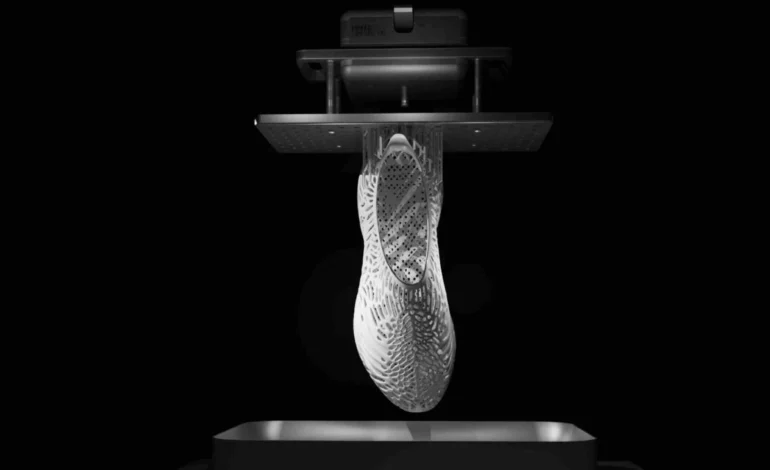
PollyPolymer did not begin its journey in robotics. Like many 3D printing companies, it first gained experience producing components for consumer goods such as sneakers. These early applications helped the company refine its ability to work with flexible yet durable materials at scale. Over time, the same expertise proved valuable for more complex use cases. Robotics requires parts that can withstand repeated motion, stress, and deformation without losing accuracy. By adapting its materials and printing processes, PollyPolymer found a natural path from footwear to machines designed to walk and interact with the world.
Building partnerships across China’s robotics sector
According to founder and chairman Wang Wenbin, PollyPolymer has actively positioned itself as a collaborative technology partner rather than a simple supplier. In a recent interview, Wang said the company has established joint research and development partnerships with several leading robotics firms, including more than twenty based in China. These collaborations allow PollyPolymer to tailor materials and designs to the specific needs of different robotic platforms, from industrial automation to humanoid machines intended for public environments.
Why materials matter as much as software
The spotlight in robotics often falls on artificial intelligence and control systems, but physical materials play an equally critical role. Bionic structures must balance strength, flexibility, and weight while remaining reliable over long periods of use. Traditional manufacturing methods can struggle to achieve this balance efficiently. 3D printing enables complex internal geometries and customized designs that are difficult to replicate with conventional techniques. For robotics companies racing to improve realism and performance, access to specialized materials and printing expertise can be a decisive advantage.
Implications for China’s advanced manufacturing ambitions
PollyPolymer’s rise reflects a broader trend within China’s technology ecosystem. As the country pushes to strengthen its advanced manufacturing capabilities, start ups that bridge consumer markets and high end industrial applications are gaining strategic importance. By supporting robotics firms with locally developed materials and production methods, companies like PollyPolymer reduce reliance on foreign suppliers and help accelerate domestic innovation.
The road ahead for scalable humanoid production
The success of Xpeng’s humanoid demonstration suggests that robots are moving closer to everyday visibility. However, scaling production remains a major challenge. Cost, durability, and consistency all become critical as companies move from prototypes to mass deployment. PollyPolymer’s experience in consumer scale manufacturing may give it an edge in this transition. If its materials and processes can meet industrial demands at volume, the company could play a key role in shaping the next phase of China’s robotics industry.