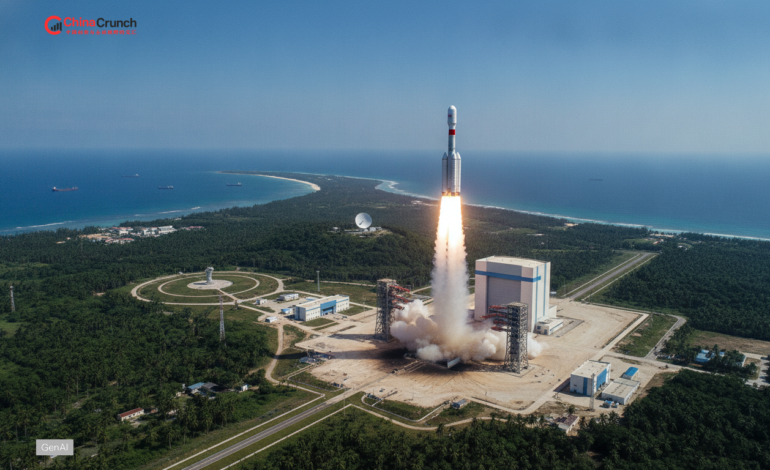
Germany plug-in hybrid market: BYD pushes ahead
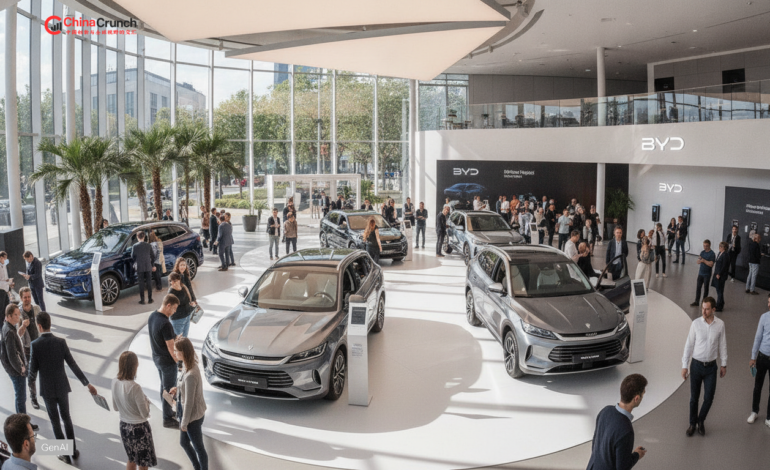
Germany plug-in hybrid market: why BYD is gaining
In Germany, the plug-in hybrid market is becoming BYD’s fastest route to scale while charging access, incentives and buyer budgets keep shifting. The company has turned recent registration momentum into a broader European push built around dealership growth, local marketing and quicker model refresh cycles. In a market long defined by domestic brands, BYD executives have framed the progress as evidence that Chinese electrified drivetrains can compete on mainstream terms, not just as niche imports. The near-term objective is volume across retail and fleet channels, with after-sales support positioned as a key differentiator. As competitors adjust pricing and product cadence, BYD is trying to win buyers on value, availability and feature content.
Registration data and BYD’s 2024 positioning
According to current reports, it can be challenging to determine BYD’s lead based on varying registration counts. Germany’s KBA publishes monthly registration tables that allow segment comparisons, and Reuters has cited those datasets when discussing competitive standings. For related context on scrutiny around Chinese firms, see Chinese Tech Firms Alleged Military Aid: Pentagon Names BYD, and BYD has used the same framework to argue it topped recent plug-in hybrid rankings, presenting the outcome as a measurable break from incumbents. A separate pressure point for investors is the byd stock price, which tends to move on Europe delivery trends and margin guidance rather than a single model win. Investors also weigh sentiment about Chinese brands in global markets.
How the plug-in hybrid market pressures German brands
German manufacturers still dominate domestic volume, but BYD’s progress adds pricing and timing pressure, especially in the plug-in hybrid market where buyers compare total monthly costs. Reuters has reported that Chinese automakers are pushing European brands to rethink entry-level electrified offerings, and Germany is the key battlefield because it anchors supplier ecosystems and premium positioning. Analysts tracking plant and sourcing decisions have linked the trend to policy debates, including China EV industry investment revives Europe car factories, while the competitive edge is not only sticker price; it also includes integrated battery supply, software feature pace and faster refresh cycles. That dynamic is a clear case of auto industry disruption because it shifts bargaining power toward vertically integrated firms. The consequence is heavier discounting and quicker rollout schedules for rival hybrids.
Dealers, pricing, and models BYD is using in Germany
BYD’s next steps in Germany hinge on sustaining demand while meeting regulatory scrutiny and local service expectations in 2024. Reuters has described the strategy as broader model choice plus deeper distribution, including partnerships that reduce after-sales friction. For a wider view of regulatory headwinds for Chinese companies, see Chinese tech investment curbs widen via Pentagon blacklist, and product planning matters because BYD is using distinct nameplates to cover multiple price bands, and the byd dolphin surf is being watched as a potential volume lever if positioning matches consumer budgets. Execution will depend on dealer training, parts logistics and consistent warranty handling. If competitors match BYD’s pricing while improving delivery times, dealer experience becomes the deciding factor.
Risks and opportunities for the plug-in hybrid market in 2024
Germany’s regulatory environment and consumer expectations create both friction and upside for newcomers. KBA registration data provides transparency, but incentives, company-car taxation and city policies can change demand quickly, so planning must stay flexible for the plug-in hybrid market. Reuters has reported that European brands are responding with refreshed plug-in offerings, raising the bar for BYD on software stability, real-world electric range and dealer capacity. For additional industry context on China’s global push in other sectors, see China’s biotech industry sees global expansion as unstoppable, despite US pressure, and at the same time, tighter emissions targets push fleets toward electrified options, creating space for brands that can deliver vehicles without long wait times. Winning will require credible residual values, clear service turnaround times and dependable supply.