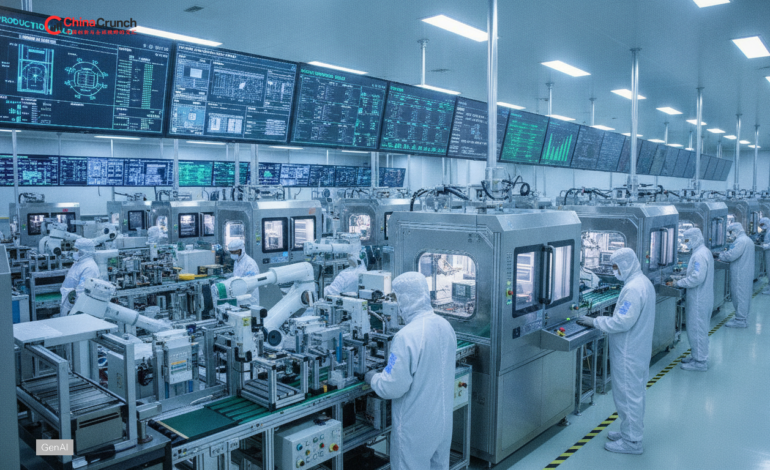
Hong Kong AI exports jump 53% as global demand spikes
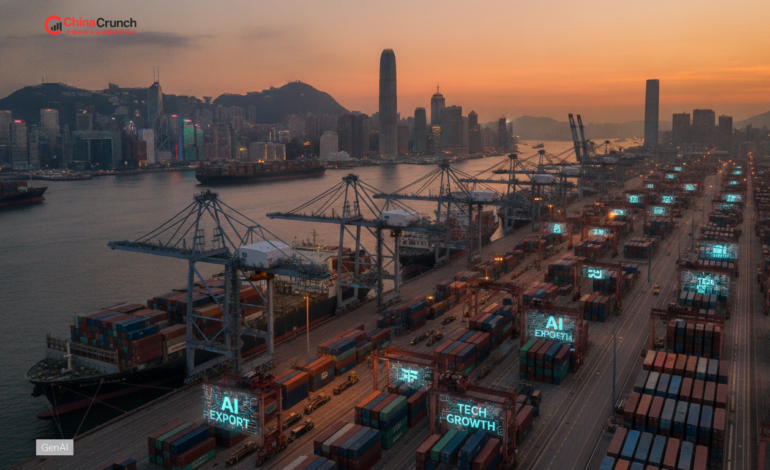
Hong Kong AI exports drive record June surge
Hong Kong’s trade engine shifted into a higher gear in June as shipments hit a new high. According to available reports, total exports are reported to have risen 53% year on year to a record HK$641 billion in June, as indicated by Hong Kong’s Census and Statistics Department. The mix of goods, not only volumes, helped explain the outsized gain, with high value computing components moving faster through air cargo and sea lanes. Within that surge, AI related re exports stood out as more chip servers, networking gear, and advanced electronics were routed via the city for rapid consolidation and re export. The figures highlight how quickly compute driven supply chains are reshaping Hong Kong’s role as a regional gateway.
Why Hong Kong AI exports are rising: chips, servers, logistics
Industry executives said AI technology demand is pulling more advanced parts into hubs where inventory can be consolidated, cleared, and shipped quickly. Procurement teams described shorter order cycles, higher unit values, and tighter delivery windows as key accelerants for Hong Kong AI exports. For context on the buildout supporting these shipments, see China data centers in ocean race to fuel AI growth, as these flows also rely on capacity additions in data centers and related infrastructure, which reinforces demand for components that are often time sensitive to deploy. As a result, Hong Kong AI exports increasingly skew toward higher specification items that require careful handling, end user screening, and faster customs processing than typical consumer electronics.
Services impact: finance, compliance, and higher-margin handling
For the Hong Kong economy, the export rebound is creating a clearer line from advanced electronics trade to domestic services. Freight forwarders, insurers, and warehousing operators benefit first, but the impact spreads into financing, compliance, and data heavy customs handling. The government’s trade release emphasized that the jump reflects goods movements rather than local manufacturing, yet throughput can still lift fee based activity across the city. In the center of that activity, AI hardware flows can mean more secure transport, verified provenance checks, and tighter chain of custody, which often command better margins. Banks also see knock on effects in risk management for technology clients, an issue explored in Hong Kong banks plan for quantum computing threats now, as throughput linked to Hong Kong AI exports increases documentation and screening demands. The service layer scales with trade velocity.
Global AI cycle shifts trade lanes toward compute hardware
Outside the city, broader AI adoption is shifting trade lanes toward components and systems that enable model training and inference, which is lifting demand for high end chips, memory, and networking. Semiconductor sector profitability has been highly sensitive to this rotation, and the South China Morning Post reported that profits in China’s chipmaking sector soared 2,500% in the first half amid the AI boom. These shifts matter for Hong Kong because it functions as a coordination point between factories, regional buyers, and multinational distributors. Buyers increasingly prioritize secure delivery windows, verified documentation, and flexible allocation as demand spikes. This also raises dual use compliance workloads and screening requirements, trends that can favor hubs with faster processing and reliable logistics.
Outlook for Hong Kong AI exports and export growth
Whether the June pace repeats will depend on how sustained ordering remains across data centers, cloud providers, and enterprise buyers. The June record of HK$641 billion in exports, as indicated by Hong Kong’s Census and Statistics Department, provides a high watermark, but month to month volatility is typical in electronics heavy trade and can be influenced by shipment timing. Companies involved in routing and warehousing expect continued pressure on air cargo capacity and specialized handling for sensitive components, particularly where Hong Kong AI exports involve higher value compute infrastructure shipments. Policymakers will also watch changes in technology controls and licensing that could affect routing choices. If demand stays broad based, Hong Kong AI exports should remain a major driver of the city’s re export momentum.