China’s Tech Startups Adjust to a Capital Disciplined Innovation Era

From rapid expansion to measured growth
China’s tech startup landscape is entering a phase defined less by rapid expansion and more by disciplined execution. The earlier era of abundant capital and growth at all costs has given way to tighter funding conditions and higher expectations for commercial viability. Startups are adapting by prioritizing sustainable business models, clearer revenue paths, and operational efficiency. This shift reflects a maturing innovation ecosystem where endurance matters as much as speed.
Capital allocation becomes more selective
Venture funding has not disappeared, but it is deployed with greater scrutiny. Investors focus on fundamentals such as cash flow visibility, customer retention, and regulatory alignment. Startups seeking funding are expected to demonstrate not just technological promise but also a realistic path to profitability. This environment favors founders who can articulate long term value creation rather than short term user growth.
Enterprise focused models gain traction
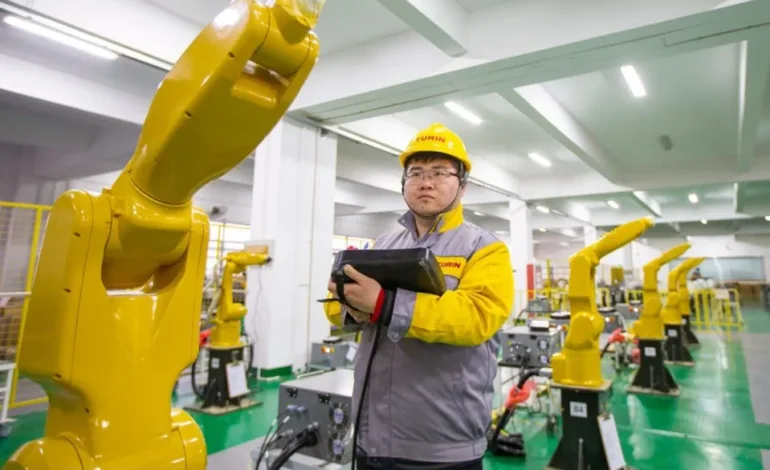
As consumer internet markets mature, many startups are pivoting toward enterprise solutions. Software for manufacturing, logistics, healthcare, and energy addresses tangible operational needs and offers more predictable revenue streams. These sectors align with national priorities around industrial upgrading and digital transformation. Enterprise clients demand reliability and integration, encouraging startups to build robust products rather than experimental features.
AI adoption reshapes startup strategy
Artificial intelligence remains central to startup innovation, but its role is evolving. Instead of pursuing generic AI platforms, startups increasingly apply AI to specific industry problems. Vertical specialization improves differentiation and lowers customer acquisition costs. Applied AI solutions in areas such as quality inspection, supply chain optimization, and risk management demonstrate clearer return on investment for clients.
Regulatory clarity influences innovation paths
Regulatory frameworks play an important role in shaping startup behavior. Clearer rules around data use, platform governance, and financial technology reduce uncertainty. While compliance raises costs, it also stabilizes expectations and filters out unsustainable business models. Startups that design products with regulatory alignment in mind gain credibility with both clients and investors.
Talent strategies emphasize efficiency
In a capital disciplined environment, talent strategies are changing. Startups focus on smaller, more specialized teams rather than rapid headcount expansion. Cross functional skills and operational experience are valued alongside technical expertise. This lean approach supports faster decision making and reduces fixed costs, improving resilience during market fluctuations.
Regional ecosystems support focused innovation
Startup activity is increasingly distributed across regional innovation hubs. Cities develop specialized ecosystems aligned with local industrial strengths, such as advanced manufacturing, life sciences, or digital services. These ecosystems provide targeted support and industry access, enabling startups to scale within defined niches. Regional focus complements national innovation objectives by reducing duplication and fostering specialization.
Resilience replaces growth as a success metric
Success in China’s startup ecosystem is being redefined. Metrics such as user acquisition and valuation growth are no longer sufficient indicators of strength. Instead, resilience, adaptability, and long term relevance guide strategic decisions. Startups that survive this adjustment phase are likely to emerge with stronger foundations and clearer competitive positioning.
China’s tech startups are not retreating from innovation. They are recalibrating how innovation is financed, structured, and measured. The move toward capital discipline signals a healthier ecosystem where creativity is matched with accountability. Over time, this balance may produce fewer but more durable technology firms capable of contributing meaningfully to China’s digital economy.