China tests truck nuclear reactor to power AI hubs
China Advances Nuclear Technology for AI
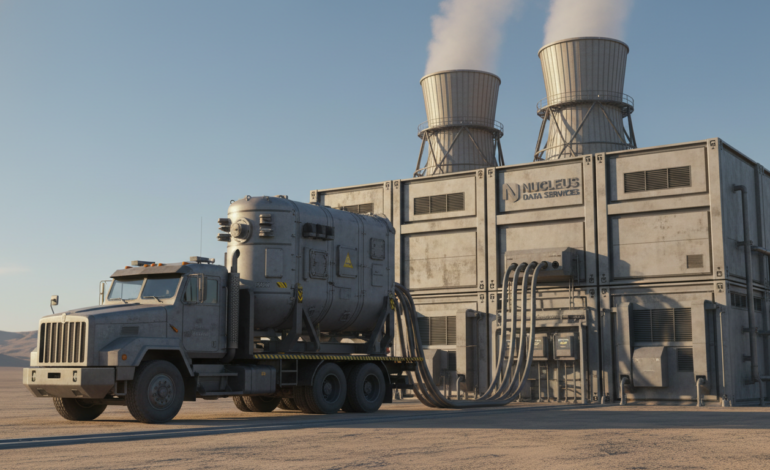
Chinese engineers are moving a compact fission concept from paper to field trials as demand for compute keeps climbing. Officials and state media have framed the work as a practical energy option for high density computing sites, not a distant research project. In the current Update cycle, attention has centered on how a China nuclear reactor design could be packaged for rapid deployment and connected to industrial loads. Today, grid bottlenecks in some regions are forcing new data halls to queue for permits, while operators seek firmer baseload alternatives. The Live discussion inside the power sector focuses on whether the prototype can demonstrate stable heat removal, predictable output, and transport safety under real operating conditions.
Potential Impacts on AI Data Centers
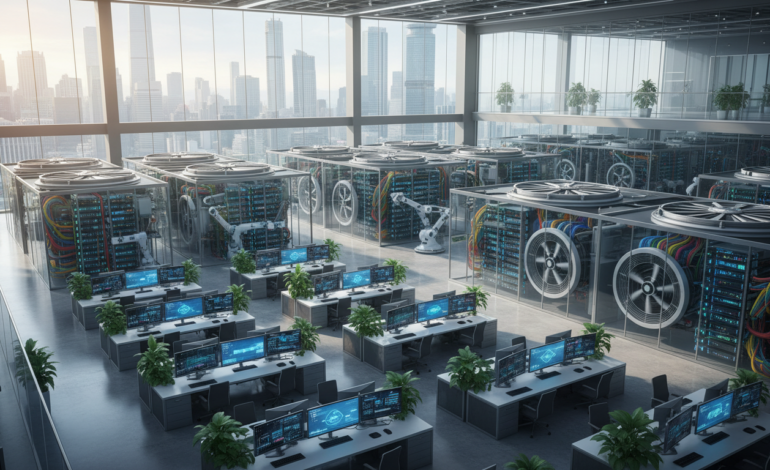
Data center operators track two variables above all, uptime and power price volatility, and both are being stressed by accelerated model training schedules. In a Live briefing on energy planning, analysts have pointed to the appeal of nuclear power where gas and coal face tighter constraints and renewables need firming. For related context on compute expansion pressures, see China AI compute capacity exaflop growth China AI compute capacity exaflop growth. The idea is that an AI data center could anchor a local microgrid if a small unit can run continuously. A truck-mounted reactor concept also changes siting math by reducing the need for long transmission upgrades. Today, the commercial question is whether capital, insurance, and licensing timelines can match the speed at which new halls are being built.
Technological and Regulatory Challenges
Engineering hurdles are only half the story, because regulators will scrutinize containment, security, emergency planning zones, and fuel handling under transport rules. In an Update on regional technology governance, the South China Morning Post detailed Beijing’s tightening oversight of sensitive tech deals in China blocks Meta Manus deal raises Mythos concerns China blocks Meta Manus deal raises Mythos concerns, a reminder that licensing and state control can reshape timelines. For a truck platform, vibration, shock loads, and thermal cycling must be qualified to nuclear standards, and that certification process is slow by design. Any rollout would also require clear rules on who operates the plant, who guards it, and how liability is assigned if a malfunction interrupts service or forces evacuation.
China’s Innovative Approach to Power Supply
Energy planners in China are simultaneously pushing grid automation, storage, and unconventional generation to keep pace with industrial electrification. In the current Live policy debate, developers argue that mobility could let capacity move to constrained zones instead of waiting for new lines. The China nuclear reactor proposal fits that logic by treating a plant like equipment that can be delivered, commissioned, and monitored with standardized procedures. Some of the same digital control thinking is visible in grid modernization efforts covered in China AI robotics to run smarter power grids plan China AI robotics to run smarter power grids plan. Today, operators also care about heat, because dense clusters need cooling as much as electricity, and any nuclear unit must integrate safely with chillers and backup systems without creating single points of failure.
Future Prospects and Global Reactions
Outside China, policymakers will watch for evidence of performance, safety culture, and export intent, because portable reactors raise proliferation and security concerns even when designed for civilian use. An Update from industry watchers is likely to focus on how standards bodies, insurers, and port authorities would treat moving nuclear equipment across jurisdictions. If China nuclear reactor testing shows credible safeguards and transparent incident reporting, it could pressure other countries to accelerate their own small reactor pathways for compute and industrial parks. Today, hyperscalers in the region are already comparing firm low carbon options, including nuclear and long duration storage, to meet reliability commitments. Live market reaction will hinge on whether the concept stays domestic, enters joint ventures, or triggers tighter controls on reactor related components and specialized fuels.