Backlash grows over China graduate training push
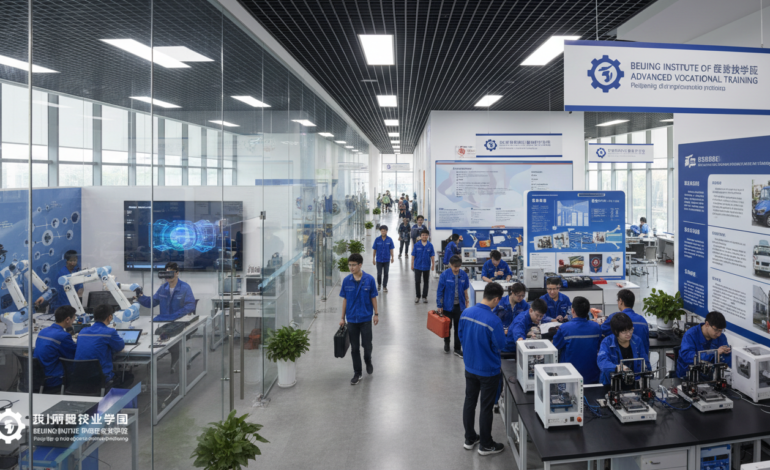
China Launches Vocational Training Initiative
Officials are moving fast to expand skills placements for unemployed degree holders as ministries coordinate with provincial labor bureaus. In a Live briefing, several local governments described new quotas for short courses tied to factory, services, and digital operations roles. Today, state media framed the plan as a labor matching tool to reduce friction between majors and vacancies, and the policy debate centers on whether China vocational training policies can be scaled without turning into a blunt rerouting of academic graduates. An Update circulated by local departments also emphasized rapid certification and employer partnerships rather than long retraining cycles. Critics argue the rollout pace leaves little room for individualized job search support.
Youth Unemployment: A Growing Concern
The push comes as youth unemployment remains politically sensitive, with officials prioritizing quick pathways into work over longer job hunts. Today, several cities highlighted new funding pools for training stipends and expanded internship style placements managed through public employment platforms. Reuters has previously tracked how graduate job seekers face tighter hiring plans across private firms and local government entities, keeping pressure on the China job market. For a wider view of China related economic policy debates in the region, readers have also followed Pakistan seeks extra yuan swap line from China now as cross border finance topics stay in focus. Live discussions in classrooms and online forums show graduates weighing whether certificates improve near term odds. An Update from local labor offices urged applicants to register early to secure seats.
Reactions from Graduates and Experts
Reaction has been sharp because many graduates see the plan as a signal that degree level hiring is not rebounding quickly. In Live campus group chats, students complained that placements resemble a downgrade, while others said short courses could help pivot into technician roles. Economists cited by The South China Morning Post have described how corporate spending priorities are shifting, which can squeeze entry level hiring while firms fund targeted skills, and one related signal is covered in Chinese firms face pressure on AI investments, where executives and analysts discussed budget pressure. Some labor scholars argue China vocational training policies need transparent outcomes data to avoid stigma and ensure job placement rates. Today, several educators urged clearer guidance on which credentials employers will recognize. An Update from one province promised to publish completion and hiring results quarterly.
Impact on Emerging Industries
Implementation is now colliding with hiring needs in chipmaking support roles, industrial software, and advanced manufacturing maintenance, where employers often request practical experience. In this environment, graduates vocational programs are being pitched as a bridge into shop floor automation, data labeling, and equipment calibration jobs. Local authorities are also steering trainees toward supply chain and logistics positions linked to export manufacturing hubs, and a separate policy thread on industrial resilience is tracked in China mineral dominance claims test supply chains, showing how material security debates connect to workforce planning. Live training centers report higher demand for instructors who can teach programmable controllers and quality testing. Analysts caution that without wage growth, reclassifying graduates into vocational tracks could simply rearrange queues. Today, employers interviewed by state outlets asked for subsidies to cover onboarding costs. An Update from several districts said pilot programs will prioritize placements with signed employer commitments.
Future Implications for China’s Job Market
The immediate political challenge is credibility, because graduates want evidence that training converts into contracts rather than temporary activity. Officials are signaling that oversight will tighten, with audits of course providers and penalties for inflated placement claims. Live monitoring tools are being discussed to track attendance, certification, and employer feedback in real time across provinces. Supporters argue that China vocational training policies could reduce mismatch by aligning curricula with fast changing roles in manufacturing services and platform operations. Today, job platforms are already adjusting filters to highlight certificates alongside degrees, which could normalize mixed credential hiring. Critics counter that the China job market needs broader demand, not only reclassification, and they want clearer protections against being pressured into unsuitable tracks. An Update expected later this quarter is set to outline national evaluation metrics and funding rules.