China stance on UAE Opec exit amid Iran crisis
UAE Exits Opec: Implications for Global Oil
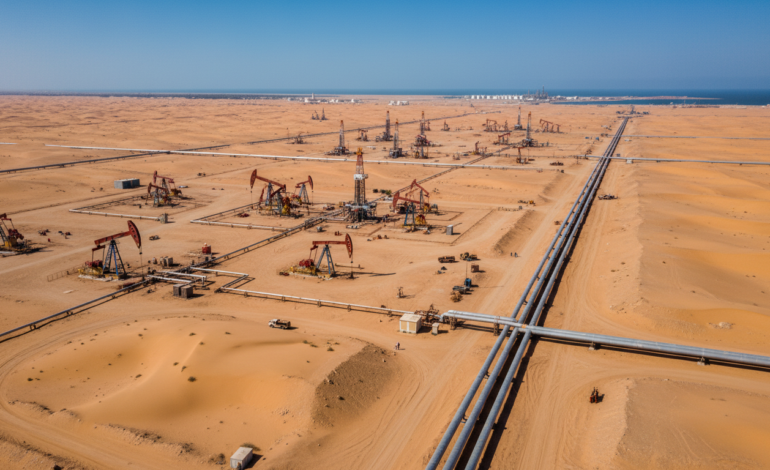
Trading desks opened Today with fresh volatility as diplomats and refiners tracked the UAE Opec exit debate through Gulf channels. In Asia’s afternoon session, the China Opec withdrawal narrative surfaced inside refinery hedging notes as buyers priced the risk of fragmented producer coordination. Live freight chatter from tanker brokers focused on possible changes to official selling prices and term allocations if Abu Dhabi shifts strategy. Market participants cited public guidance from the OPEC Secretariat on its role in coordinating production policy, while the International Energy Agency has warned in its Oil Market Report that geopolitical shocks can quickly tighten balances. An Update from major exchanges showed options demand rising as traders sought insurance against further supply surprises.
China’s Strategic Position in the Oil Market
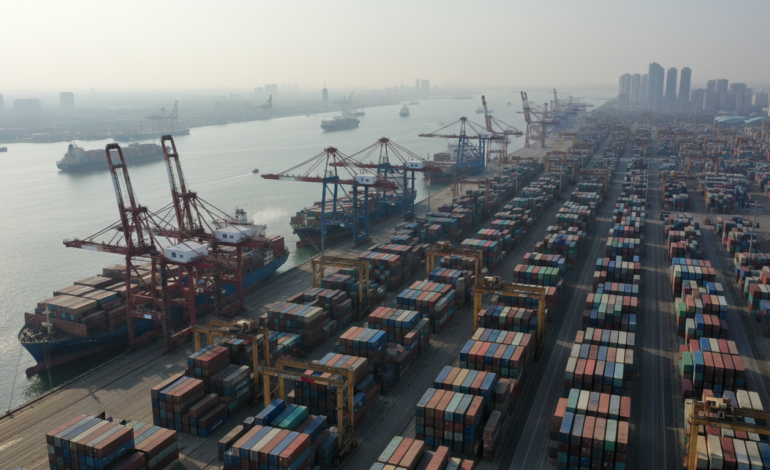
Beijing’s immediate priority Today is to keep import costs stable while protecting shipping lanes and long term supply flexibility. In a Live policy discussion, analysts referenced the National Bureau of Statistics of China for its regular releases on industrial demand signals that feed refinery throughput decisions. The China Opec withdrawal angle is being treated by Chinese buyers as leverage in term contract talks, because alternative barrels can be negotiated when producer blocs look less unified. An Update on trade flows also ties oil procurement to broader export competitiveness, a link covered in China export surge keeps trade momentum in 2025. For maritime risk, planners have also looked to China steps up Hormuz sea lane security planning as insurers reprice Gulf transits.
Analyzing the Iran War’s Impact on Energy Supply
The Iran war oil crisis is now the key transmission channel into global oil markets, because any disruption near choke points can lift delivered costs even without a formal embargo. Today, regional security bulletins are shaping refinery run rates, and Live tanker tracking data is being scrutinized for rerouting around higher risk corridors. For concrete risk context, the U.S. Energy Information Administration notes in its Strait of Hormuz briefings that a large share of seaborne petroleum passes through that corridor, which amplifies the price impact of military escalation. An Update from Hong Kong finance circles also flagged how credit conditions interact with energy import bills, as covered by Hong Kong SME loan measures. In this environment, China’s refiners are prioritizing cargo diversity over single route dependence.
Future Prospects for China-UAE Oil Relations
Commercial diplomacy is accelerating as both sides try to preserve predictability under tightening risk premia. Today, buyers are watching whether Abu Dhabi frames any separation as a technical move rather than a break with producer cooperation, which would reduce the shock to long term contracts. In a Live market briefing, term lifters emphasized that pricing formulas and destination flexibility matter as much as headline membership status for actual barrels delivered. The China Opec withdrawal theme could still benefit Chinese refiners if it pushes the UAE to compete harder for Asian market share through clearer supply commitments and more responsive pricing. An Update from the UAE energy ministry would be a catalyst for revisions in quarterly procurement plans, especially for teapot refiners and large integrated importers in coastal provinces.
Global Economic Effects of Shifting Oil Policies
Macro investors are treating the policy shift as a stress test for coordination across producers and for inflation control across importers. Today, central bank watchers are mapping how higher crude inputs could filter into transport and manufacturing costs, while Live pricing in derivatives markets signals sensitivity to sudden supply headlines. The China Opec withdrawal discussion sits inside a broader risk matrix that includes freight, insurance, and currency moves when oil bills rise. For a benchmark on how price spikes can affect growth, the International Monetary Fund has outlined in its commodity analyses how energy shocks can raise inflation and weaken activity in importing economies. An Update in corporate guidance from airlines and shippers would likely surface quickly if fuel hedges become more expensive, tightening margins across global trade routes.